
KPV Peptide
Overview
KPV is a naturally occurring tripeptide fragment derived from α-melanocyte-stimulating hormone (α-MSH). It consists of the amino acids lysine, proline, and valine. KPV is widely studied for its strong anti-inflammatory and immune-modulating properties, particularly in epithelial tissues such as the gut, skin, and respiratory tract.
Unlike many peptides, KPV does not appear to act through strong hormonal pathways, making it of interest in inflammation-focused research.
Mechanism of Action
KPV is thought to regulate inflammation and immune response through multiple pathways. Research suggests it may:
- Suppress pro-inflammatory cytokine production.
- Reduce activation of inflammatory immune cells.
- Support intestinal epithelial barrier integrity.
- Modulate NF-κB and related inflammatory signaling pathways.
- Promote resolution of localized inflammation.
- Support tissue healing in inflamed environments.
Its effects appear to be primarily local and immune-regulatory rather than systemic hormonal.
Research Applications
KPV has been studied in:
- Inflammatory bowel disease (IBD) models.
- Gut barrier integrity research (“leaky gut” models).
- Skin inflammation and dermatitis studies.
- Wound healing research.
- Respiratory inflammation models.
- Autoimmune and immune regulation research.
Potential Effects Observed in Studies
Research suggests KPV may:
- Reduce intestinal inflammation.
- Support gut lining repair and barrier function.
- Decrease inflammatory cytokine activity.
- Promote faster resolution of local inflammation.
- Improve tissue recovery in inflamed environments.
- Support immune balance without broad immune suppression.
Possible Side Effects
KPV is generally considered well tolerated in research settings. Reported or potential effects may include:
- Mild injection-site irritation (when injected forms are used).
- Temporary digestive discomfort (oral or systemic exposure in some studies).
- Headache (rare).
- Fatigue (uncommon).
Overall, it is considered a low-toxicity peptide in experimental contexts.
Precautions
- Primarily a research-use peptide with limited clinical approval.
- Long-term human safety data is still limited.
- Product purity and formulation quality may vary significantly.
- Should be used under appropriate scientific or medical supervision in research settings.
Storage
- Typically supplied as a lyophilized (freeze-dried) powder.
- Store refrigerated at 2–8°C.
- Protect from heat, moisture, and light.
- Refrigerate after reconstitution if required.
- Avoid repeated freeze–thaw cycles.
Packaging
Common Product Formats:
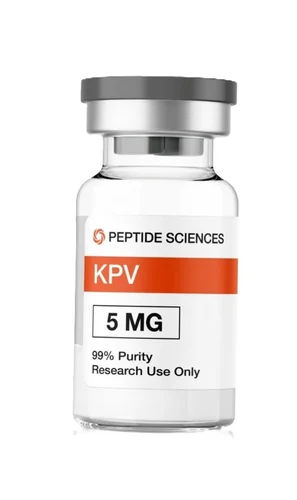
- 5 mg or 10 mg vials.
- Research-grade peptide formulations.
- Injectable or experimental preparations.
Summary
KPV is a short peptide derived from α-MSH that is primarily studied for its ability to reduce inflammation and support tissue healing. Its effects on immune regulation, gut barrier protection, and inflammatory signaling make it a promising compound in research on gastrointestinal health, skin conditions, and immune balance.
Be the first to review “KPV”
Related products
99% High Purity Peptides

99% High Purity Peptides
99% High Purity Peptides
99% High Purity Peptides
99% High Purity Peptides
99% High Purity Peptides
99% High Purity Peptides
99% High Purity Peptides
Reviews
There are no reviews yet.