

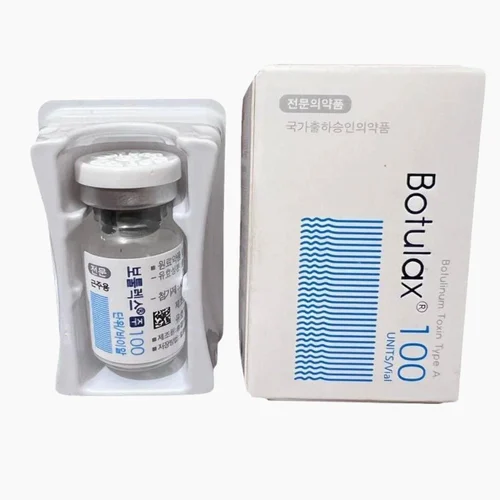


Botulinum Toxin
Overview
Botulinum Toxin is a purified neurotoxic protein produced by the bacterium Clostridium botulinum. In controlled medical and cosmetic applications, it is used to temporarily relax targeted muscles by blocking nerve signals responsible for muscle contraction.
Botulinum toxin has become one of the most widely utilized biological products in both aesthetic medicine and therapeutic treatments, with applications ranging from wrinkle reduction to the management of various neuromuscular conditions.
Mechanism of Action
Botulinum toxin works by inhibiting the release of acetylcholine, a neurotransmitter responsible for signaling muscle contraction. This action may:
- Temporarily reduce muscle activity.
- Relax targeted muscles.
- Decrease the appearance of dynamic facial wrinkles.
- Reduce excessive muscle contractions.
- Influence certain glandular secretions, such as sweat production.
The effects are localized to the treatment area and are generally temporary.
Medical Applications
Botulinum toxin has been used for the treatment of:
- Chronic migraine.
- Cervical dystonia.
- Blepharospasm (eyelid spasms).
- Muscle spasticity.
- Overactive bladder.
- Excessive sweating (hyperhidrosis).
- Certain eye muscle disorders.
- Temporomandibular joint (TMJ) disorders in selected cases.
Cosmetic Applications
In aesthetic medicine, botulinum toxin is commonly used to reduce the appearance of:
- Forehead lines.
- Frown lines between the eyebrows.
- Crow’s feet around the eyes.
- Bunny lines on the nose.
- Chin dimpling.
- Neck bands.
Results typically develop gradually and are temporary.
Potential Effects
Clinical studies and medical experience have shown that botulinum toxin may:
- Smooth dynamic facial wrinkles.
- Reduce unwanted muscle activity.
- Improve certain neuromuscular disorders.
- Decrease excessive sweating.
- Improve quality of life in selected medical conditions.
Possible Side Effects
Potential side effects may include:
- Injection-site pain or bruising.
- Temporary redness or swelling.
- Headache.
- Mild muscle weakness near the treatment area.
- Eyelid drooping (ptosis) when used near the eyes.
- Dry eyes or excessive tearing.
- Flu-like symptoms.
The risk and severity of side effects depend on dosage, treatment area, and injection technique.
Precautions
- Administration should be performed by qualified healthcare professionals.
- Individuals with neuromuscular disorders require careful evaluation.
- Use during pregnancy or breastfeeding should follow medical guidance.
- Treatment should be based on approved indications and appropriate clinical assessment.
Storage
- Store according to manufacturer recommendations.
- Typically supplied as a lyophilized (freeze-dried) powder requiring reconstitution.
- Refrigerate as directed before and after reconstitution.
- Protect from excessive heat and direct sunlight.
Common Product Formats
Botulinum toxin products are commonly supplied in:
- 50-unit vials.
- 100-unit vials.
- 200-unit vials.
- Lyophilized sterile preparations for injection.
Summary
Botulinum toxin is a purified neurotoxic protein used in both medical and cosmetic settings to temporarily reduce muscle activity by blocking acetylcholine release. Its ability to treat neuromuscular conditions and reduce dynamic facial wrinkles has made it one of the most widely studied and utilized biological therapies in modern medicine. When administered appropriately, it offers effective, localized, and temporary therapeutic and aesthetic benefits.
Be the first to review “Botulinum Toxin”
Related products
99% High Purity Peptides

99% High Purity Peptides

99% High Purity Peptides


99% High Purity Peptides


99% High Purity Peptides

99% High Purity Peptides

99% High Purity Peptides


99% High Purity Peptides
Reviews
There are no reviews yet.