

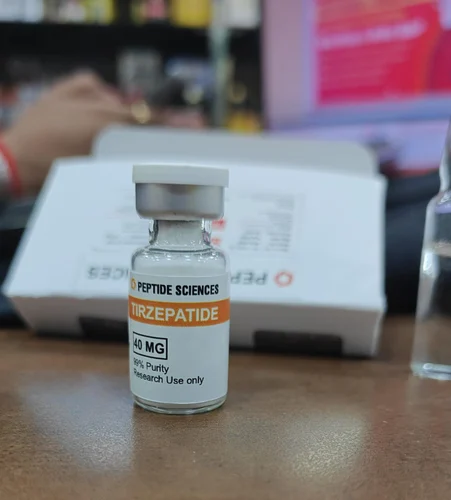
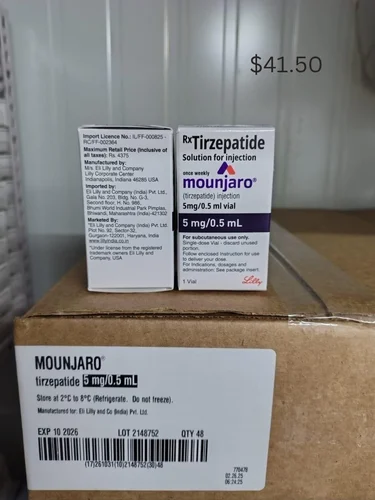
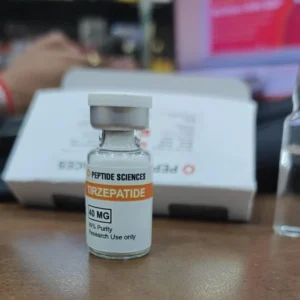
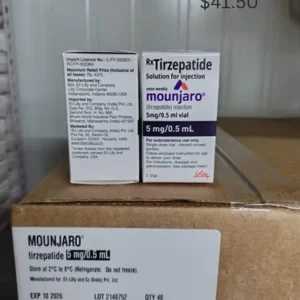


Tirzepatide
Introduction:
Tirzepatide is a novel, dual-action injectable medication developed for the treatment of type 2 diabetes mellitus (T2DM) and obesity. It combines the activity of two hormones involved in glucose regulation and appetite control, offering a promising approach to metabolic management.
Overview and Composition:
Tirzepatide is a synthetic peptide that acts as a dual agonist of the GLP-1 (glucagon-like peptide-1) receptor and the GIP (gastric inhibitory peptide) receptor.
It is administered via subcutaneous injection, typically once weekly.
Mechanism of Action:
Dual Receptor Activation: Tirzepatide simultaneously stimulates GLP-1 and GIP receptors, enhancing their effects.
Glucose Regulation: It promotes insulin secretion in response to high blood glucose levels, decreases glucagon secretion, and slows gastric emptying, leading to better glycemic control.
Appetite Suppression and Weight Loss: Activation of these pathways reduces appetite and caloric intake, contributing to significant weight loss.
Cardiometabolic Benefits: Emerging evidence suggests benefits in reducing cardiovascular risk factors, although ongoing studies are assessing long-term outcomes.
Applications:
Type 2 Diabetes Mellitus: Approved for improving glycemic control in adults with T2DM, often used alongside other antidiabetic medications.
Obesity: Approved in some regions for weight management in individuals with obesity or overweight with comorbidities.
Potential Cardiovascular Benefits: As a result of improved metabolic parameters, it may reduce cardiovascular risk factors.
Dosing and Administration:
Dosing: Typically administered once weekly via subcutaneous injection.
Titration: Dose titration is often required to minimize gastrointestinal side effects.
Duration: Long-term therapy is common to maintain glycemic control and weight loss benefits.
Advantages:
Significant reductions in HbA1c (glycated hemoglobin) levels.
Promotes substantial weight loss, often greater than that seen with other GLP-1 receptor agonists.
Convenient once-weekly dosing improves adherence.
Potential cardiovascular benefits based on early clinical data.
Safety and Side Effects:
Common side effects include nausea, vomiting, diarrhea, and constipation, especially during initial dose escalation.
Rarely, it may cause hypoglycemia when combined with other antidiabetic agents.
Long-term safety profile is still being established, but current data are promising.
Regulatory Status:
Approved by the U.S. Food and Drug Administration (FDA) in 2022 for the treatment of type 2 diabetes and obesity in some regions.
Continues to be evaluated in ongoing clinical trials for broader indications and long-term outcomes.
Summary:
Tirzepatide represents a breakthrough in metabolic therapy by targeting two key hormones involved in glucose regulation and appetite control. Its dual mechanism provides potent glycemic lowering and weight reduction benefits, making it a versatile option for managing type 2 diabetes and obesity. Its once-weekly dosing, combined with promising efficacy and safety, positions Tirzepatide as a significant advancement in the field of endocrinology and metabolic disease management.
| Tirzepatide | 5mg*10vials, 10mg*10vials, 15mg*10vials, 20mg*10vials, 30mg*10vials, 40mg*10vials, 60mg*10vials, 70mg*10vials, 80mg*10vials, 90mg*10vials, 100mg*10vials, 120mg*10vials |
|---|
Be the first to review “Tirzepatide”
Related products

99% High Purity Peptides

99% High Purity Peptides
99% High Purity Peptides
99% High Purity Peptides


99% High Purity Peptides
99% High Purity Peptides

99% High Purity Peptides

99% High Purity Peptides
Reviews
There are no reviews yet.