


IGF-1 LR3
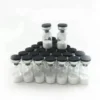
Price range: $45.00 through $170.00
Looking for IGF-1 LR3 peptide for sale? Apeptide offers 99% pure research-grade IGF-1 LR3. The long-armed IGF-1 analog with enhanced potency for cell biology and growth research. Direct manufacturer in China. USA shipping. Order at synthpeptideclinic.com.
IGF-1 LR3: Understanding This Advanced Peptide in Research and Biotechnology
IGF-1 LR3 is one of the most widely discussed peptides in the fields of biotechnology, cellular research, and performance science. Known for its extended half-life and unique molecular structure, IGF-1 LR3 has attracted significant attention among researchers studying growth factors, cellular signaling, and tissue development. As peptide science continues to evolve, IGF-1 LR3 remains an important compound for understanding how biological systems regulate growth and adaptation.
What Is IGF-1 LR3?
IGF-1 LR3 stands for Insulin-Like Growth Factor-1 Long Arg3. It is a modified version of naturally occurring IGF-1, a protein hormone that plays a critical role in growth, development, and cellular function. The modified structure of IGF-1 LR3 allows it to remain active in the body longer than standard IGF-1, making it a valuable subject of scientific research.
Researchers developed IGF-1 LR3 by altering the amino acid sequence of natural IGF-1 and extending the peptide chain. These modifications reduce binding to certain proteins that normally limit IGF-1 activity, resulting in a longer duration of action and enhanced research potential.
How IGF-1 LR3 Works
IGF-1 LR3 interacts with IGF-1 receptors found throughout the body. These receptors are involved in cellular growth, repair, and communication. When activated, they initiate signaling pathways that influence protein synthesis, cellular development, and metabolic processes.
Because of its extended activity compared to regular IGF-1, IGF-1 LR3 is frequently studied for its effects on cellular function and biological adaptation. Researchers continue to investigate how these mechanisms may contribute to tissue development and overall physiological processes.
Key Areas of IGF-1 LR3 Research
Cellular Growth Studies
One of the primary reasons for the popularity of IGF-1 LR3 is its involvement in cellular growth pathways. Scientists examine how growth factors influence cell behavior, communication, and development across various biological systems.
Tissue Development Research
IGF-1 LR3 is often studied in research focused on tissue maintenance and regeneration. Growth factors play a crucial role in normal biological processes, making them an important area of investigation in modern biotechnology.
Protein Synthesis and Metabolism
Researchers continue to explore the relationship between IGF-1 LR3 and protein synthesis. Understanding these pathways may provide valuable insights into how cells utilize nutrients and respond to environmental demands.
Performance and Recovery Science
Growth factors have long been of interest in studies examining physical adaptation and recovery processes. IGF-1 LR3 remains a subject of scientific investigation due to its interaction with pathways involved in tissue response and metabolic activity.
Why IGF-1 LR3 Is Popular in Research
Several characteristics make IGF-1 LR3 particularly appealing to researchers:
- Extended half-life compared to standard IGF-1
- Increased biological activity
- Strong receptor-binding capabilities
- Broad application in growth factor studies
- Valuable insights into cellular signaling mechanisms
These features allow researchers to examine biological processes over longer periods and gain a deeper understanding of growth-related pathways.
The Importance of Quality and Purity
When working with peptide products, quality is a critical consideration. High-quality IGF-1 LR3 products are typically manufactured under controlled conditions to ensure purity, consistency, and stability.
Researchers often evaluate products based on:
- Peptide purity levels
- Manufacturing standards
- Batch consistency
- Product stability
- Storage recommendations
- Laboratory testing procedures
Maintaining high standards helps support accurate and reproducible research outcomes.
The Growing Role of Peptide Technology
The peptide industry has expanded significantly in recent years as scientists continue to discover new applications for growth factors and signaling molecules. Advances in peptide synthesis and biotechnology have made compounds like IGF-1 LR3 more accessible for research purposes.
As interest in regenerative science, cellular biology, and metabolic research grows, peptides are expected to play an increasingly important role in scientific innovation. IGF-1 LR3 remains one of the most recognized compounds within this rapidly evolving field.
Future Research Potential
The future of IGF-1 LR3 research appears promising. Ongoing studies continue to explore how growth factors influence biological systems and cellular adaptation. As scientific understanding advances, researchers may uncover new applications and insights related to growth factor signaling and tissue biology.
The ability of IGF-1 LR3 to interact with key growth pathways makes it a valuable tool for investigating complex biological processes and expanding knowledge in biotechnology and life sciences.
Conclusion
IGF-1 LR3 is an advanced peptide that has become a significant focus in growth factor and cellular research. Its extended half-life, unique molecular structure, and interaction with IGF-1 receptors make it an important subject for scientists studying biological growth, tissue development, and cellular signaling.
As peptide technology continues to evolve, IGF-1 LR3 is expected to remain a valuable research compound for understanding the mechanisms that drive growth and adaptation within living systems. Its ongoing role in biotechnology highlights the growing importance of peptide science in modern research and innovation.
| IGF-1LR3 | 0.1mg*10vials, 1mg*10vials |
|---|
Be the first to review “IGF-1 LR3”
Related products
99% High Purity Peptides
99% High Purity Peptides


99% High Purity Peptides
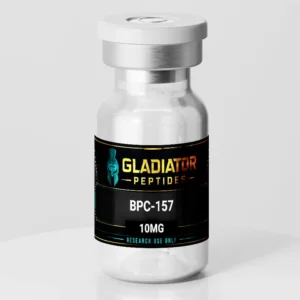
99% High Purity Peptides

99% High Purity Peptides
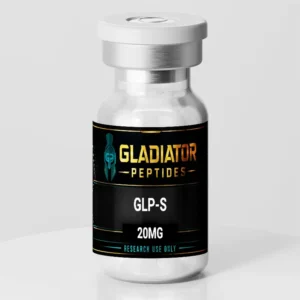
99% High Purity Peptides
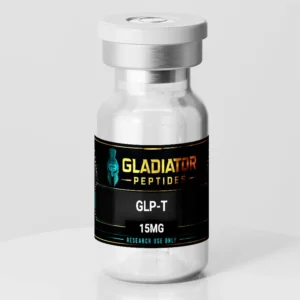
99% High Purity Peptides
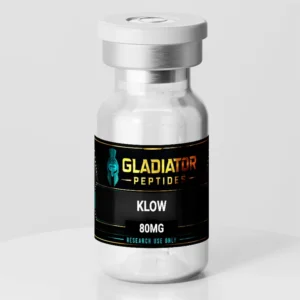
99% High Purity Peptides
Reviews
There are no reviews yet.