
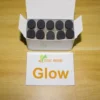
BPC-157 Peptide
Overview
BPC-157 is a synthetic peptide composed of 15 amino acids and derived from a naturally occurring protective protein found in gastric juice. Known as Body Protection Compound-157, it has attracted significant interest in scientific research for its potential role in tissue repair, angiogenesis, and recovery processes.
BPC-157 is widely studied in regenerative medicine, musculoskeletal research, and gastrointestinal health due to its broad range of biological activities.
Mechanism of Action
Research suggests that BPC-157 may influence several pathways involved in healing and tissue maintenance, including:
- Promotion of angiogenesis (new blood vessel formation).
- Support of cellular migration and repair.
- Modulation of inflammatory responses.
- Protection of endothelial tissue.
- Enhancement of collagen production and tissue remodeling.
- Support of growth factor signaling involved in recovery.
These mechanisms may contribute to its regenerative and protective properties.
Research Applications
BPC-157 has been investigated in:
- Tendon and ligament research.
- Muscle recovery studies.
- Joint and connective tissue health.
- Wound healing investigations.
- Gastrointestinal health research.
- Nerve regeneration studies.
- Sports recovery and rehabilitation research.
Potential Effects Observed in Studies
Research has suggested that BPC-157 may:
- Support healing of tendons and ligaments.
- Promote muscle recovery.
- Enhance wound-healing processes.
- Support gastrointestinal tissue integrity.
- Improve angiogenesis and blood vessel development.
- Assist connective tissue regeneration.
- Support recovery following physical stress or injury.
The extent of these effects may vary depending on biological conditions and study design.
Possible Side Effects
Reported side effects are generally uncommon and may include:
- Injection-site irritation.
- Temporary redness or swelling.
- Headache.
- Dizziness.
- Fatigue.
- Mild nausea.
Current research suggests a favorable tolerability profile, although long-term human data remain limited.
Precautions
- BPC-157 is primarily used as a research peptide and is not widely approved as a therapeutic medication.
- Long-term safety and efficacy continue to be investigated.
- Product purity and quality may vary among suppliers.
- Research should be conducted under appropriate scientific and medical supervision.
Storage
- Usually supplied as a lyophilized (freeze-dried) powder.
- Store refrigerated according to manufacturer recommendations.
- Protect from heat, moisture, and direct sunlight.
- Refrigerate after reconstitution.
- Avoid repeated freeze-thaw cycles.
Common Product Formats
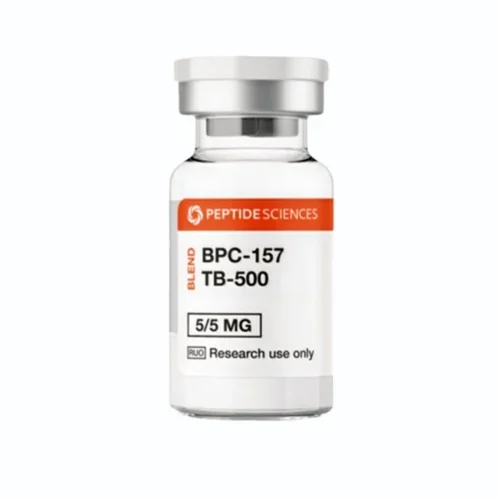
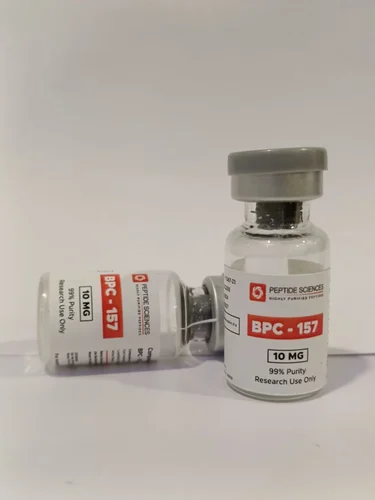
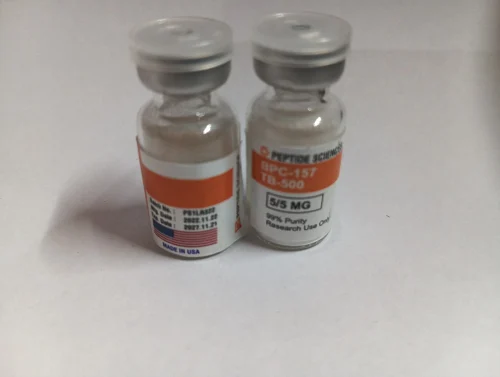
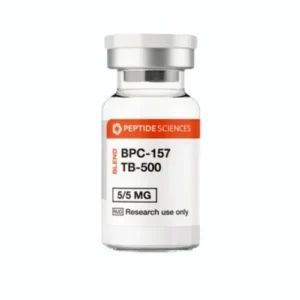
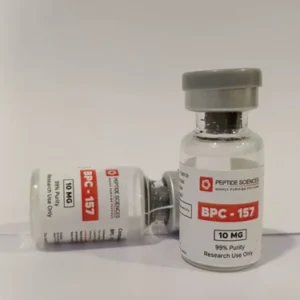
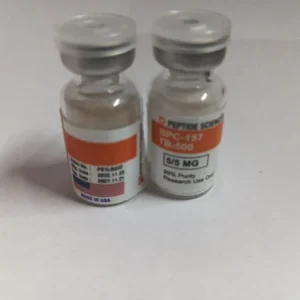
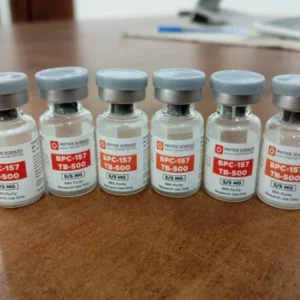
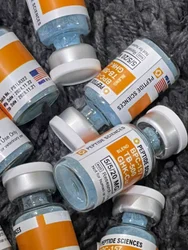
- 5 mg lyophilized vials.
- 10 mg lyophilized vials.
- Research-grade peptide formulations.
- Injectable and experimental preparations.
Summary
BPC-157 is a synthetic peptide derived from a naturally occurring protective protein sequence found in gastric tissue. It is extensively studied for its potential role in tissue repair, angiogenesis, wound healing, connective tissue support, and gastrointestinal health. Its broad regenerative properties have made it one of the most researched peptides in the fields of recovery, rehabilitation, and regenerative medicine.
| BPC 157 | 5mg*10vials, 10mg*10vials |
|---|
Be the first to review “BPC-157 Peptide”
Related products
99% High Purity Peptides
99% High Purity Peptides
99% High Purity Peptides
99% High Purity Peptides
99% High Purity Peptides
99% High Purity Peptides
99% High Purity Peptides
99% High Purity Peptides
Reviews
There are no reviews yet.