
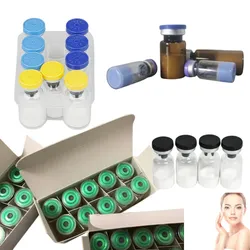
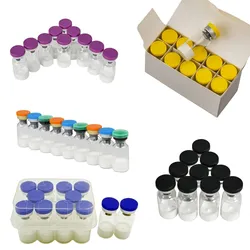
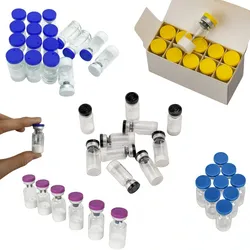
Thymalin Alpha-1
Price range: $80.00 through $145.00
Looking for thymosin alpha-1 peptide for sale? Apeptide offers 99% pure research-grade Thymosin Alpha-1 (TA1). The potent immunomodulatory peptide for immune function, vaccine adjuvant, and infectious disease research. Direct manufacturer in China. USA shipping. Order at synthpeptideclinic.com
Thymosin Alpha-1
Introduction:
Thymosin Alpha-1 (Tα1) is a naturally occurring peptide hormone belonging to the thymosin family. It is renowned for its immune-modulating and immunorestorative properties and has been extensively studied for its role in enhancing immune responses and combating infections.
Overview and Composition:
Thymosin Alpha-1 is a 28-amino acid peptide originally isolated from the thymus gland.
It is synthesized synthetically for medical use and is available as a pharmaceutical product.
Mechanism of Action:
Immune Modulation: Tα1 enhances the function of T-lymphocytes (T-cells), natural killer (NK) cells, and macrophages.
Cytokine Regulation: It stimulates the production of cytokines such as interferons, interleukins, and tumor necrosis factor-alpha (TNF-α), which are essential for antiviral and antitumor responses.
Antiviral Effects: Promotes the development of antiviral immunity, increasing resistance to viral infections.
Antitumor Activity: Enhances immune surveillance, potentially inhibiting tumor growth and metastasis.
Applications:
Viral Infections: Used as an adjunct therapy in hepatitis B and C, HIV, and other viral diseases to boost antiviral immune responses.
Cancer Therapy: Employed to improve immune function in cancer patients, often as an adjunct to chemotherapy or radiotherapy.
Immunodeficiency: Helps in restoring immune competence in immunosuppressed individuals, such as post-transplant patients or those with autoimmune diseases.
COVID-19: Under investigation for its potential role in managing COVID-19, due to its immune-enhancing properties.
Administration and Dosing:
Delivery: Typically administered via subcutaneous injection.
Dosing Regimens: Varies according to indication; common protocols involve daily injections for several weeks.
Treatment Duration: Usually tailored based on clinical response and disease severity.
Advantages;
Enhances both innate and adaptive immunity.
Improves responses to viral infections and may reduce disease severity.
Has a favorable safety profile with minimal side effects.
Can be used as an adjunct to conventional therapies.
Safety and Side Effects:
Generally well-tolerated.
Mild side effects may include injection site reactions, fatigue, or headache.
Long-term safety data is limited but indicates good tolerability.
Regulatory Status:
Approved for medical use in several countries, including China and Russia, primarily for hepatitis and immune deficiency conditions.
Recognized by the World Health Organization (WHO) as an immunomodulator for certain infectious diseases.
Summary:Thymosin Alpha-1 is a potent immunomodulatory peptide that enhances the body’s antiviral and antitumor defenses. Its ability to stimulate immune cell activity makes it a valuable adjunct in managing viral infections, cancer, and immune deficiencies. Its safety profile and efficacy have made it a widely used therapeutic agent in various clinical settings.
| Thymosin Alpha-1 | 5mg*10vials, 10mg*10vials |
|---|
Be the first to review “Thymalin Alpha-1”
Related products
99% High Purity Peptides
99% High Purity Peptides
99% High Purity Peptides
99% High Purity Peptides
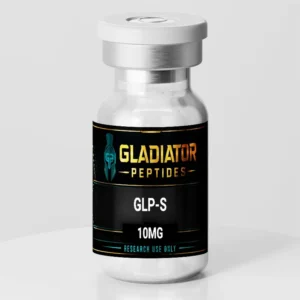
99% High Purity Peptides
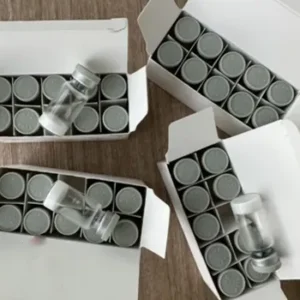
99% High Purity Peptides
99% High Purity Peptides
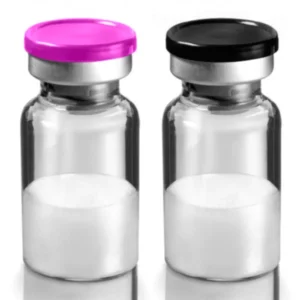
99% High Purity Peptides
Reviews
There are no reviews yet.