



TB500 (Thymosin Beta-4 Acetate): A Comprehensive Guide to This Popular Research Peptide
Introduction
TB500, also known as Thymosin Beta-4 Acetate, is a synthetic version of a naturally occurring peptide found in various tissues throughout the human body. In recent years, TB500 has gained significant attention within the scientific and research communities due to its potential role in cellular repair, tissue regeneration, and wound-healing processes. As interest in peptide research continues to grow, TB500 remains one of the most widely discussed compounds among researchers studying regenerative biology and recovery mechanisms.
This article explores the science behind TB500, its biological functions, potential research applications, and why it has become a notable subject in peptide research.
What Is TB500?
TB500 is a laboratory-produced peptide derived from Thymosin Beta-4 (Tβ4), a naturally occurring protein consisting of 43 amino acids. Thymosin Beta-4 is present in nearly all human and animal cells and plays an important role in cellular migration, tissue repair, and the regulation of inflammatory responses.
Researchers developed TB500 as a synthetic peptide that contains the active region of the naturally occurring Thymosin Beta-4 molecule. This allows scientists to investigate its biological properties and potential applications in a controlled research environment.
Because of its unique characteristics, TB500 has become a popular peptide for studies involving tissue recovery, cellular growth, and regenerative medicine.
How TB500 Works
One of the primary reasons researchers are interested in TB500 is its interaction with actin, a protein involved in cell structure and movement. Actin regulation is essential for numerous biological processes, including cell migration, tissue repair, and wound healing.
TB500 is believed to support the movement of cells to injured areas, allowing tissues to undergo repair and regeneration more efficiently. This mechanism has made it an important subject in studies related to muscle injuries, tendon damage, and recovery from physical stress.
Researchers continue to investigate how TB500 influences cellular communication pathways and contributes to the body’s natural healing processes.
Potential Research Applications of TB500
1. Tissue Repair and Regeneration
One of the most studied aspects of TB500 is its potential role in tissue repair. Researchers have examined its effects on damaged tissues to better understand how cellular recovery mechanisms function.
Studies involving tissue regeneration often focus on:
- Muscle recovery
- Tendon repair
- Ligament healing
- Connective tissue support
- Cellular regeneration
These areas remain important subjects of ongoing peptide research.
2. Wound Healing Research
TB500 has been widely investigated for its potential influence on wound-healing processes. Scientists have explored how the peptide may support cellular migration and tissue remodeling following injury.
Understanding these mechanisms could provide valuable insights into natural healing pathways and regenerative biology.
3. Inflammation Studies
Inflammation is a natural response to injury, but excessive inflammation can slow recovery and contribute to tissue damage.
Researchers have examined whether TB500 may influence inflammatory pathways and cellular responses involved in tissue recovery. Further studies are needed to better understand these interactions and their broader implications.
4. Cardiovascular Research
Some scientific investigations have explored the role of Thymosin Beta-4 in cardiovascular tissues. Researchers are studying how peptide-mediated cellular signaling may affect tissue maintenance and repair within the cardiovascular system.
Although this area of research is still developing, it highlights the broad scientific interest surrounding TB500.
Why TB500 Is Popular in Peptide Research
Several factors contribute to TB500’s popularity among researchers.
Broad Biological Activity
Unlike some peptides that target a specific tissue or receptor, TB500 appears to influence multiple biological pathways involved in cellular movement and repair.
Naturally Derived Origin
Because TB500 is derived from a naturally occurring peptide, researchers are interested in understanding how it mimics or enhances normal physiological functions.
Potential Systemic Distribution
Research suggests that TB500 may have the ability to move throughout the body rather than remaining localized to a single area. This characteristic has generated significant scientific interest and warrants further investigation.
Growing Interest in Regenerative Medicine
As regenerative medicine continues to advance, compounds that support cellular recovery and tissue maintenance remain key areas of study. TB500 is frequently discussed within this rapidly evolving field.
The Science Behind Thymosin Beta-4
Thymosin Beta-4 plays an essential role in various biological processes, including:
- Cell migration
- Blood vessel formation
- Tissue development
- Cellular differentiation
- Wound healing
- Cytoskeletal organization
These functions help explain why researchers view TB500 as an important tool for studying regenerative biology and cellular repair mechanisms.
The peptide’s ability to influence multiple physiological pathways continues to drive interest in both laboratory and preclinical research settings.
Research Considerations
While TB500 has attracted considerable attention, it is important to understand that much of the available information comes from laboratory and experimental research.
Scientists continue to investigate:
- Mechanisms of action
- Long-term biological effects
- Tissue-specific responses
- Cellular signaling pathways
- Potential future applications
As with all research peptides, ongoing studies are necessary to fully understand the scope and significance of TB500’s biological activity.
Future Directions for TB500 Research
The future of TB500 research appears promising as advances in biotechnology and peptide science create new opportunities for investigation. Researchers are increasingly focused on understanding how peptides can contribute to regenerative medicine, tissue engineering, and cellular recovery strategies.
Potential future areas of exploration include:
- Advanced wound-healing studies
- Tissue regeneration research
- Cellular recovery mechanisms
- Regenerative biology applications
- Molecular signaling investigations
As scientific knowledge expands, researchers may gain deeper insights into the unique properties of TB500 and its relationship to natural healing processes.
Conclusion
TB500 (Thymosin Beta-4 Acetate) is one of the most recognized peptides in regenerative and recovery-focused research. Derived from the naturally occurring Thymosin Beta-4 protein, it has become a significant subject of study due to its involvement in cellular migration, tissue repair, and biological regeneration.
Although much remains to be learned, ongoing scientific investigations continue to reveal valuable information about its mechanisms and potential applications. As peptide science advances, TB500 is likely to remain an important area of research for scientists exploring innovative approaches to tissue recovery, regenerative medicine, and cellular health.
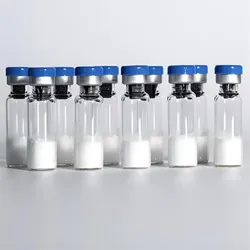
| TB500(Thymosin B4 Acetate) | 5mg*10vials, 10mg*10vials |
|---|
Be the first to review “TB500 (Thymosin B4 Acetate)”
Related products
99% High Purity Peptides

99% High Purity Peptides

99% High Purity Peptides

99% High Purity Peptides
99% High Purity Peptides

99% High Purity Peptides
99% High Purity Peptides
99% High Purity Peptides
Reviews
There are no reviews yet.