

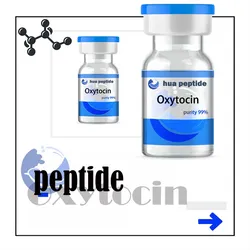

Oxytocin Acetate
Overview
Oxytocin Acetate is a synthetic form of oxytocin, a naturally occurring peptide hormone produced in the hypothalamus and released by the pituitary gland. Oxytocin plays important roles in social bonding, emotional regulation, reproductive physiology, and smooth muscle contraction.
The acetate form is commonly used in pharmaceutical and research formulations to provide stability and consistency.
Mechanism of Action
Oxytocin binds to specific oxytocin receptors located throughout the body and central nervous system. Research suggests it may:
- Support social and emotional bonding.
- Influence trust and social recognition.
- Regulate uterine smooth muscle contractions.
- Support milk ejection during lactation.
- Modulate stress-response pathways.
- Affect certain aspects of mood and behavior.
Its effects vary depending on receptor location and physiological context.
Research Applications
Oxytocin has been investigated in:
- Social behavior and bonding research.
- Neuroendocrine studies.
- Stress and anxiety research.
- Maternal health investigations.
- Reproductive physiology studies.
- Cognitive and behavioral science research.
Potential Effects Observed in Studies
Research suggests oxytocin may:
- Enhance social interaction and bonding.
- Influence emotional processing.
- Support stress adaptation.
- Promote maternal behaviors.
- Affect interpersonal communication and trust.
- Regulate reproductive and lactation-related functions.
Results can vary significantly depending on dosage, administration method, and individual biology.
Possible Side Effects
Reported side effects may include:
- Headache.
- Nausea.
- Dizziness.
- Flushing.
- Fatigue.
- Temporary changes in blood pressure.
- Injection-site irritation (for injectable formulations).
Most effects are generally mild and transient when used appropriately.
Precautions
- Oxytocin can affect reproductive physiology and smooth muscle activity.
- Use should follow appropriate medical or research supervision.
- Long-term effects in non-clinical applications continue to be studied.
- Product quality and purity may vary among manufacturers.
Storage
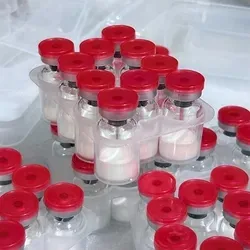
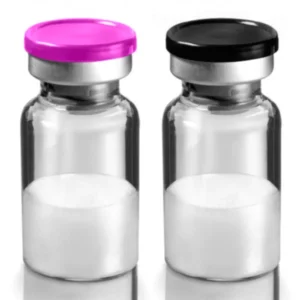
- Typically supplied as a lyophilized powder or sterile solution.
- Store refrigerated according to manufacturer recommendations.
- Protect from heat, moisture, and direct sunlight.
- Refrigerate after reconstitution if applicable.
- Avoid repeated freeze–thaw cycles.
Packaging
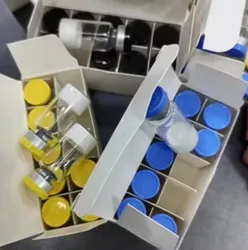
Common Product Formats:
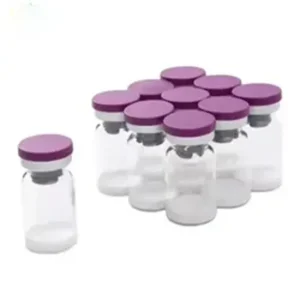
- 2 mg vials.
- 5 mg vials.
- Lyophilized peptide formulations.
- Research-grade preparations.
Summary
Oxytocin Acetate is a synthetic form of the naturally occurring peptide hormone oxytocin. Widely studied for its roles in social bonding, emotional regulation, neuroendocrine function, and reproductive physiology, it remains an important compound in both clinical medicine and scientific research focused on human behavior and hormonal signaling.
| Oxytocin Acetate | 2mg*10vials, 5mg*10vials |
|---|
Be the first to review “Oxytocin Acetate”
Related products
99% High Purity Peptides
99% High Purity Peptides
99% High Purity Peptides

99% High Purity Peptides
99% High Purity Peptides
99% High Purity Peptides

99% High Purity Peptides
99% High Purity Peptides
Reviews
There are no reviews yet.