
GHK-Cu: The Powerful Copper Peptide Transforming Skin and Peptide Research
GHK-Cu is one of the most researched and widely recognized peptides in the fields of skincare, regenerative science, and biotechnology. Known as a copper peptide, GHK-Cu has attracted significant attention due to its unique biological properties and its role in supporting healthy skin, hair, and tissue function. As interest in peptide-based solutions continues to grow, GHK-Cu remains at the forefront of scientific research and innovation.
Originally discovered in human plasma, GHK-Cu is a naturally occurring tripeptide composed of three amino acids—glycine, histidine, and lysine—bound to a copper ion. This naturally occurring compound is found throughout the body and has been studied extensively for its involvement in cellular communication and tissue maintenance.
What Is GHK-Cu?
GHK-Cu stands for Glycyl-L-Histidyl-L-Lysine Copper. It is a small peptide that naturally binds with copper, an essential trace mineral involved in numerous biological processes. Researchers first identified GHK-Cu in the 1970s and have since investigated its potential role in skin health, tissue remodeling, hair biology, and overall cellular function.
As people age, natural levels of GHK-Cu tend to decline. This reduction has contributed to growing interest in understanding how copper peptides interact with biological systems and influence various physiological processes.
Why GHK-Cu Has Become So Popular
One reason for the popularity of GHK-Cu is its broad range of biological activities. Unlike many compounds that focus on a single pathway, GHK-Cu has been studied for its ability to influence multiple cellular processes simultaneously.
Researchers continue to explore how GHK-Cu affects gene expression, cellular signaling, tissue maintenance, and protein production. These characteristics have made it a highly valuable compound in peptide science and cosmetic research.
Potential Benefits of GHK-Cu
Supports Skin Appearance
GHK-Cu is frequently included in advanced skincare formulations because of its association with healthy skin maintenance. Researchers have explored how copper peptides interact with proteins that contribute to skin structure and elasticity.
Because of these properties, GHK-Cu has become a popular ingredient in serums, creams, and cosmetic products designed to support youthful-looking skin.
Hair and Scalp Research
Another area of growing interest is the relationship between GHK-Cu and hair biology. Scientists continue to investigate how copper peptides interact with the scalp environment and hair follicles. This research has led to the inclusion of GHK-Cu in various hair-focused formulations.
Cellular Communication
Peptides act as signaling molecules within the body, and GHK-Cu is no exception. Research suggests that this peptide plays a role in cellular communication, helping cells respond to environmental and physiological conditions.
Its signaling capabilities are one reason why GHK-Cu remains an important subject in regenerative and biotechnology research.
Tissue and Regenerative Studies
GHK-Cu has also attracted attention in studies focused on tissue-related biological processes. Researchers continue to examine how copper peptides may influence cellular activity associated with normal tissue maintenance and remodeling.
These ongoing investigations have positioned GHK-Cu as a key peptide in the expanding field of regenerative science.
GHK-Cu in Modern Skincare
The skincare industry has embraced GHK-Cu as one of the most advanced peptide ingredients available today. Many premium skincare products feature copper peptides because of their reputation for supporting skin quality and overall appearance.
Consumers increasingly seek science-backed ingredients that align with healthy aging goals, and GHK-Cu has become a standout option due to its extensive research history and growing popularity.
The Importance of Product Quality
As demand for GHK-Cu products increases, quality remains a critical factor. High-quality GHK-Cu formulations are typically manufactured according to strict quality standards to help ensure purity, consistency, and stability.
When evaluating GHK-Cu products, consumers and researchers often consider:
- Peptide purity
- Manufacturing standards
- Product stability
- Ingredient transparency
- Batch consistency
- Proper storage recommendations
Choosing a reputable source helps support product reliability and quality.
The Future of GHK-Cu Research
Interest in GHK-Cu continues to expand as researchers discover new insights into peptide biology and cellular function. Advances in biotechnology are enabling scientists to better understand how peptides interact with genes, proteins, and signaling pathways.
As research progresses, GHK-Cu may play an increasingly important role in skincare innovation, tissue science, healthy aging research, and peptide-based technologies. Its versatility and broad biological relevance make it one of the most promising peptides currently under investigation.
Conclusion
GHK-Cu is a remarkable copper peptide that has earned widespread recognition in skincare, biotechnology, and peptide research. Its unique ability to participate in cellular communication and support various biological processes has made it a valuable focus of scientific investigation.
From skin and hair research to regenerative science and healthy aging studies, GHK-Cu continues to demonstrate why it remains one of the most important peptides in modern research. As interest in peptide technology grows, GHK-Cu is likely to remain a leading ingredient and research compound for years to come.
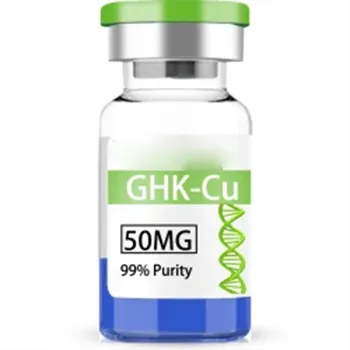
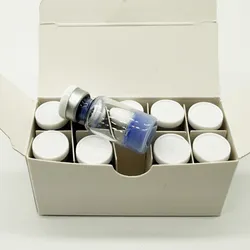
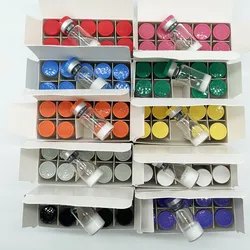
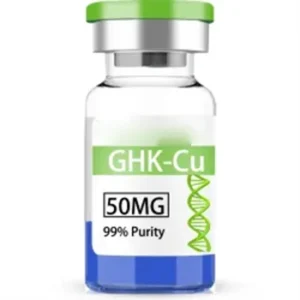
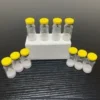
| GHK-CU | 50mg*10vials, 100mg*10vials |
|---|
Be the first to review “GHK-CU”
Related products
99% High Purity Peptides
99% High Purity Peptides
99% High Purity Peptides
99% High Purity Peptides
99% High Purity Peptides
99% High Purity Peptides
99% High Purity Peptides
99% High Purity Peptides
Reviews
There are no reviews yet.