
BPC-157 10 mg + TB-500 10 mg Peptide
Overview
BPC-157 and TB-500 are two research peptides commonly combined in regenerative and recovery-focused studies. This blend is designed to support investigations into tissue repair, connective tissue health, angiogenesis, and recovery processes.
BPC-157 10 mg + TB-500 10 mg combines the localized tissue-support properties of BPC-157 with the systemic regenerative potential of TB-500, making it a popular peptide combination in research involving musculoskeletal and soft tissue recovery.
Composition
BPC-157 – 10 mg
BPC-157 is a synthetic peptide derived from a protective protein sequence found in gastric juice. Research has explored its role in:
- Tendon and ligament support.
- Muscle recovery.
- Gastrointestinal tissue health.
- Angiogenesis and blood vessel formation.
- Cellular repair mechanisms.
TB-500 – 10 mg
TB-500 is a synthetic form of a biologically active region of Thymosin Beta-4. It has been studied for:
- Cell migration and differentiation.
- Tissue regeneration.
- Wound healing.
- Connective tissue recovery.
- Support of flexibility and mobility.
Mechanism of Action
Tissue Repair and Regeneration
Research suggests the combination may:
- Promote cellular migration to damaged tissues.
- Support regeneration of soft tissues.
- Enhance recovery from physical stress and injury.
Angiogenesis Support
Both peptides have been associated with:
- Formation of new blood vessels.
- Improved nutrient and oxygen delivery.
- Enhanced healing environments.
Connective Tissue Health
The blend is commonly investigated for:
- Tendon recovery.
- Ligament support.
- Muscle repair.
- Joint and connective tissue maintenance.
Research Applications
This peptide combination has been studied in:
- Sports recovery research.
- Tendon and ligament injury models.
- Muscle strain recovery.
- Joint health investigations.
- Wound-healing studies.
- Connective tissue regeneration research.
Potential Benefits Observed in Studies
Research has suggested that BPC-157 and TB-500 may:
- Support tissue recovery processes.
- Promote healthy inflammatory responses.
- Enhance connective tissue repair.
- Improve flexibility and mobility.
- Support recovery from soft tissue injuries.
- Encourage angiogenesis and tissue remodeling.
Results vary depending on study design, dosage, and biological conditions.
Possible Side Effects
Reported side effects are generally mild and may include:
- Injection-site redness or irritation.
- Temporary swelling.
- Headache.
- Fatigue.
- Mild dizziness.
- Nausea.
Long-term safety data on the combined formulation remain limited.
Precautions
- Intended primarily for research and investigational purposes.
- Long-term efficacy and safety continue to be evaluated.
- Product quality and purity may vary among suppliers.
- Appropriate scientific and medical supervision is recommended when conducting research.
Storage
- Store refrigerated according to manufacturer recommendations.
- Protect from excessive heat, moisture, and direct sunlight.
- Refrigerate after reconstitution.
- Avoid repeated freeze-thaw cycles.
Packaging
Product Format:
- BPC-157 – 10 mg
- TB-500 – 10 mg
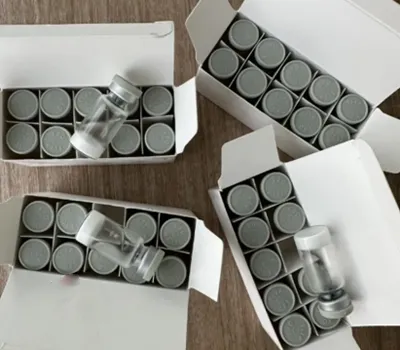
Supplied as a lyophilized peptide blend in a sterile vial.
Summary
BPC-157 10 mg + TB-500 10 mg is a research peptide combination studied for its potential role in tissue repair, connective tissue support, angiogenesis, and recovery. By combining the regenerative properties of both peptides, this formulation has become a widely investigated option in studies involving muscle recovery, tendon and ligament health, wound healing, and regenerative medicine.
Be the first to review “BPC 10mg + TB 10mg Peptide”
Related products

99% High Purity Peptides
99% High Purity Peptides
99% High Purity Peptides
99% High Purity Peptides
99% High Purity Peptides
99% High Purity Peptides
99% High Purity Peptides
99% High Purity Peptides
Reviews
There are no reviews yet.