

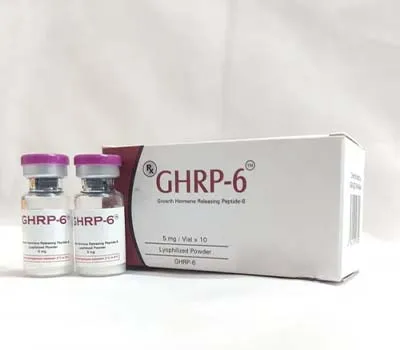


GHRP-6 Acetate: A Comprehensive Guide to This Popular Growth Hormone-Releasing Peptide
GHRP-6 Acetate is one of the most widely recognized peptides in growth hormone research. As interest in peptide science continues to expand, GHRP-6 Acetate has become a frequent subject of investigation among researchers studying hormone signaling, metabolic processes, and cellular communication. Its unique properties and interaction with specific biological pathways have made it an important compound in modern peptide research.
Peptides play essential roles throughout the body, acting as signaling molecules that help regulate various physiological functions. GHRP-6 Acetate belongs to a class of compounds known as Growth Hormone-Releasing Peptides (GHRPs), which are designed to interact with receptors involved in growth hormone secretion.
What Is GHRP-6 Acetate?
GHRP-6 Acetate is a synthetic peptide consisting of six amino acids. It was developed as part of ongoing research into compounds that influence the body’s natural growth hormone signaling pathways. The acetate form is commonly used due to its stability and suitability for research applications.
Unlike growth hormone itself, GHRP-6 Acetate is studied for its ability to stimulate specific receptors associated with the release of growth hormone. Researchers continue to investigate how this interaction may affect various biological processes and physiological responses.
Because of its unique mechanism of action, GHRP-6 Acetate remains one of the most frequently discussed peptides within scientific and biotechnology communities.
How GHRP-6 Acetate Works
GHRP-6 Acetate is known to interact with the ghrelin receptor, also referred to as the growth hormone secretagogue receptor (GHS-R). This receptor is involved in several biological processes, including hormone signaling and appetite regulation.
When researchers study GHRP-6 Acetate, they often focus on how activation of these receptors influences growth hormone release and downstream cellular pathways. This mechanism has made GHRP-6 an important tool for exploring endocrine function and hormone-related research.
Areas of Scientific Interest
Growth Hormone Research
One of the primary areas of interest surrounding GHRP-6 Acetate is its relationship with growth hormone signaling. Researchers continue to investigate how peptide-based compounds interact with the endocrine system and influence hormone regulation.
Metabolic Studies
Metabolism involves a complex network of hormones, receptors, and signaling pathways. GHRP-6 Acetate is often included in studies examining these biological processes and their interactions.
Cellular Communication
Peptides function as messengers throughout the body, helping cells communicate and coordinate biological activities. Scientists use GHRP-6 Acetate to better understand these signaling mechanisms and their broader implications.
Biotechnology Applications
The growing field of peptide biotechnology has increased interest in compounds such as GHRP-6 Acetate. Researchers continue exploring potential applications of peptide-based technologies across various scientific disciplines.
Why Researchers Choose GHRP-6 Acetate
Several characteristics contribute to the popularity of GHRP-6 Acetate in research environments:
- Well-documented scientific history
- Extensive use in peptide research
- Established receptor interactions
- Broad relevance to hormone signaling studies
- Compatibility with various research protocols
These factors have helped maintain GHRP-6 Acetate’s position as a commonly studied peptide in laboratories worldwide.
Quality Considerations for GHRP-6 Acetate
As with any peptide product, quality is essential for reliable research outcomes. High-quality GHRP-6 Acetate is typically manufactured under controlled conditions to ensure consistency and purity.
Researchers often evaluate products based on:
- Peptide purity levels
- Manufacturing standards
- Product stability
- Storage requirements
- Batch-to-batch consistency
- Laboratory testing procedures
Choosing quality peptide materials helps support accurate and reproducible scientific studies.
The Growing Role of Peptides in Modern Research
Peptide science has become one of the fastest-growing areas of biotechnology. Advances in analytical techniques and molecular biology have enabled researchers to better understand how peptides influence biological systems.
GHRP-6 Acetate represents an important part of this evolving field. As scientists continue exploring hormone regulation, receptor interactions, and cellular communication, peptides like GHRP-6 provide valuable insights into complex physiological mechanisms.
The increasing demand for peptide research has also driven innovation in manufacturing, quality control, and product development, contributing to the expansion of peptide-based scientific investigation.
Conclusion
GHRP-6 Acetate is a well-known growth hormone-releasing peptide that continues to attract significant interest within the scientific community. Its interaction with growth hormone secretagogue receptors and its role in hormone signaling research make it a valuable tool for studying complex biological processes.
As peptide science advances, GHRP-6 Acetate remains an important compound in endocrine, metabolic, and biotechnology research. With ongoing studies and growing interest in peptide-based technologies, GHRP-6 Acetate is likely to continue playing a key role in expanding our understanding of cellular communication and hormone regulation.
For researchers seeking a widely studied peptide with established scientific relevance, GHRP-6 Acetate remains one of the most recognized compounds in modern peptide research.
| GHRP-6 Acetate | 5mg*10vials, 10mg*vials |
|---|
Be the first to review “GHRP-6 Acetate”
Related products

99% High Purity Peptides
99% High Purity Peptides


99% High Purity Peptides


99% High Purity Peptides

99% High Purity Peptides


99% High Purity Peptides


99% High Purity Peptides

99% High Purity Peptides
Reviews
There are no reviews yet.