


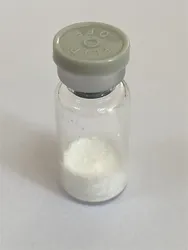

GHRP-2 Acetate: A Comprehensive Guide to This Growth Hormone-Releasing Peptide
GHRP-2 Acetate is a synthetic peptide that has attracted significant interest in peptide research and biotechnology. As a member of the Growth Hormone Releasing Peptide (GHRP) family, GHRP-2 is widely studied for its interaction with growth hormone signaling pathways and its potential role in understanding metabolic and physiological processes.
Peptide science has become one of the fastest-growing areas of biomedical research, and GHRP-2 Acetate remains a frequently discussed compound among researchers exploring hormone regulation, cellular communication, and endocrine function. Its unique properties have made it a valuable subject of investigation in laboratory and scientific settings.
What Is GHRP-2 Acetate?
GHRP-2 Acetate, short for Growth Hormone Releasing Peptide-2 Acetate, is a synthetic peptide composed of a specific sequence of amino acids designed to interact with growth hormone secretagogue receptors (GHS-R). These receptors are involved in signaling pathways associated with growth hormone release.
Researchers study GHRP-2 because of its ability to activate specific biological mechanisms that influence endocrine activity. Unlike growth hormone itself, GHRP-2 is investigated for its role in stimulating natural hormone-signaling pathways rather than directly supplying hormones.
The acetate form of the peptide is commonly used due to its stability and suitability for research applications.
How GHRP-2 Acetate Works
GHRP-2 Acetate is known for interacting with growth hormone secretagogue receptors. These receptors are found in various tissues and play a role in hormone-related signaling mechanisms.
Scientists continue to study how GHRP-2 influences biological pathways associated with growth hormone regulation, metabolism, and cellular activity. Because peptide signaling is highly complex, ongoing research seeks to better understand the broader implications of these interactions.
The ability of GHRP-2 to engage specific receptor systems has contributed to its popularity in endocrine and peptide-related research.
Areas of Scientific Interest
Growth Hormone Research
One of the primary areas of interest surrounding GHRP-2 Acetate is its relationship with growth hormone signaling. Researchers investigate how peptide-based compounds interact with endocrine pathways and influence physiological responses.
Metabolic Studies
Metabolism is regulated by numerous hormones and signaling molecules. Scientists continue to explore how peptides such as GHRP-2 may interact with pathways related to energy balance, nutrient utilization, and metabolic function.
Cellular Communication
Peptides play an essential role in cellular signaling. GHRP-2 Acetate is frequently studied to better understand communication between receptors, hormones, and biological systems.
Endocrine System Research
The endocrine system controls many critical functions throughout the body. Researchers use peptides such as GHRP-2 to investigate hormone regulation mechanisms and receptor activity.
Why Researchers Are Interested in GHRP-2 Acetate
The growing popularity of peptide science has led to increased attention on compounds that can influence biological signaling pathways. GHRP-2 Acetate offers researchers an opportunity to study complex interactions within the endocrine system.
Several factors contribute to its research appeal:
- Well-characterized peptide structure
- Established role in growth hormone-related studies
- Interest in receptor signaling mechanisms
- Relevance to metabolic and endocrine research
- Compatibility with broader peptide investigation programs
As peptide technologies continue to advance, compounds like GHRP-2 remain important tools for scientific exploration.
Quality Considerations for GHRP-2 Acetate
When working with peptide products, quality and purity are critical. Researchers typically prioritize high-quality GHRP-2 Acetate manufactured according to strict laboratory standards.
Important considerations include:
- High peptide purity levels
- Reliable manufacturing processes
- Batch-to-batch consistency
- Appropriate storage conditions
- Product stability
- Comprehensive quality control procedures
These factors help support accurate research outcomes and reproducible scientific results.
The Future of Peptide Research
The global peptide market continues to expand as researchers uncover new applications for peptide-based technologies. Advances in biotechnology, molecular biology, and pharmaceutical science have increased interest in compounds that interact with specific biological pathways.
GHRP-2 Acetate represents an important example of how synthetic peptides can be used to investigate complex physiological processes. Ongoing research may provide additional insights into hormone signaling, receptor biology, and cellular communication mechanisms.
As scientific understanding evolves, peptides are expected to play an increasingly important role in biotechnology and biomedical innovation.
Conclusion
GHRP-2 Acetate is a widely studied growth hormone-releasing peptide that has become an important component of peptide and endocrine research. Its interaction with growth hormone secretagogue receptors makes it a valuable tool for investigating hormone signaling, metabolic pathways, and cellular communication.
As interest in peptide science continues to grow, GHRP-2 Acetate remains a prominent subject of research within biotechnology and molecular biology. Its well-established role in growth hormone-related studies ensures that it will continue to attract attention from researchers seeking to better understand the complex mechanisms that regulate biological function.
For laboratories and scientific organizations focused on peptide research, GHRP-2 Acetate represents a significant compound in the ongoing exploration of endocrine and cellular processes.
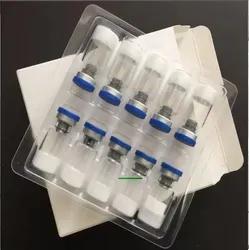
| GHRP-2 Acetate | 5mg*10vials, 10mg*10vials |
|---|
Be the first to review “GHRP-2 Acetate”
Related products
99% High Purity Peptides

99% High Purity Peptides
99% High Purity Peptides
99% High Purity Peptides
99% High Purity Peptides
99% High Purity Peptides
99% High Purity Peptides

99% High Purity Peptides
Reviews
There are no reviews yet.