








Adipotide Peptide
Overview
Adipotide is an investigational peptide designed to target and reduce adipose (fat) tissue by selectively affecting the blood vessels that supply fat cells. Originally developed for obesity research, Adipotide has attracted scientific interest for its unique mechanism of action, which differs from traditional appetite-suppressing or metabolism-enhancing compounds.
Adipotide is often described as a fat-targeting peptide because it was engineered to recognize and bind to specific markers found on the vasculature of white adipose tissue.
Mechanism of Action
Adipotide works by targeting blood vessels that supply fat tissue. Research suggests that it may:
- Bind to specific receptors expressed on adipose tissue vasculature.
- Disrupt blood supply to targeted fat cells.
- Trigger apoptosis (programmed cell death) in cells supporting adipose tissue.
- Promote reduction of fat tissue mass.
- Influence body composition through selective adipose tissue targeting.
Unlike compounds that primarily reduce appetite, Adipotide was designed to act directly on fat tissue itself.
Research Applications
Adipotide has been investigated in:
- Obesity research.
- Body composition studies.
- Fat metabolism investigations.
- Adipose tissue biology.
- Metabolic syndrome research.
- Weight-management studies.
- Vascular targeting technologies.
Potential Effects Observed in Studies
Research has suggested that Adipotide may:
- Reduce white adipose tissue volume.
- Promote body weight reduction in experimental models.
- Improve certain metabolic markers associated with excess body fat.
- Influence fat-cell survival mechanisms.
- Support investigations into targeted obesity therapies.
The extent of these effects varies depending on species, dosage, and study conditions.
Possible Side Effects
Reported side effects in experimental studies have included:
- Fatigue.
- Nausea.
- Increased thirst.
- Temporary appetite changes.
- Kidney-related effects observed in some animal studies.
- Injection-site irritation.
Safety findings remain under investigation, and long-term human data are limited.
Precautions
- Adipotide remains an experimental research compound.
- It is not widely approved as a therapeutic medication.
- Long-term safety and efficacy have not been fully established.
- Renal function monitoring has been an important consideration in research involving this peptide.
- Product quality and purity may vary among suppliers.
Storage
- Typically supplied as a lyophilized (freeze-dried) peptide.
- Store according to manufacturer recommendations.
- Protect from heat, moisture, and direct sunlight.
- Refrigerate after reconstitution if required.
- Avoid repeated freeze-thaw cycles.
Packaging
Common Product Formats:
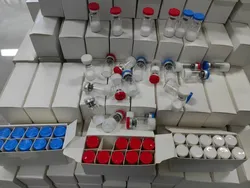
- Lyophilized peptide vials.
- Research-grade peptide formulations.
- Laboratory-use preparations.
Summary
Adipotide is an experimental peptide developed to selectively target the blood vessels that support adipose tissue. By disrupting the vascular supply to fat cells, it has demonstrated potential effects on body fat reduction and weight management in preclinical research. Its novel mechanism has made it an important subject in obesity and metabolic-health investigations, although further studies are needed to fully establish its safety and therapeutic potential.
Be the first to review “Adipotide Peptide”
Related products

99% High Purity Peptides
99% High Purity Peptides
99% High Purity Peptides
99% High Purity Peptides
99% High Purity Peptides
99% High Purity Peptides
99% High Purity Peptides

99% High Purity Peptides
Reviews
There are no reviews yet.